
A TPLO (Tibial Plateau Leveling Osteotomy) is a surgical procedure used to treat cranial cruciate ligament (CCL) injuries in dogs. It changes the angle of the top of the tibia, removing the need for a cruciate ligament to stabilise the knee joint.
Recovery times can vary depending on the procedure and your pet’s individual needs. On the whole, bone healing has occurred by about 6 weeks but depending on the injury and surgery, full return to function is usually expected around 3 months post-op. We will provide you with a tailored post-operative care plan to ensure the best recovery.

We will advise you of fasting requirements before surgery and if any current medications should be paused. It’s important to follow these instructions to ensure a smooth and safe surgical experience.

Your pet’s comfort is our priority. We provide around-the-clock pain relief and closely monitor your pet during their recovery to ensure they are as comfortable as possible.
After surgery, we’ll schedule follow-up visits to monitor your pet’s healing progress. During these visits, we’ll check the surgical site, assess your pet’s mobility, and make any necessary adjustments to their recovery plan.
Yes, we recommend limiting your pet’s activity during the initial recovery period to prevent complications. This might include restricting running, jumping, or long walks. We will provide you with specific guidelines tailored to your pet’s needs.
The cost of orthopaedic surgery varies based on the type of procedure and your pet’s condition. We’ll provide a detailed estimate after assessing your pet’s needs during the initial consultation.
In some cases, we may recommend physical therapy to help your pet regain strength and mobility faster. We’ll advise you on suitable exercises you can do at home or refer you to trusted professionals if necessary.
Ultrasound provides real-time imaging of internal organs, allowing us to detect abnormalities such as tumours or organ disease without invasive procedures. It’s particularly useful for assessing soft tissue conditions that X-rays may not reveal.
Digital X-ray uses advanced technology to produce high-resolution images of your pet’s internal structures instantly. This method requires less radiation and provides clearer images, allowing for faster diagnoses and treatment plans.

We offer comprehensive blood tests, including biochemistry and hematology profiles, coagulation assessments and hormone assays. These tests help evaluate your pet’s organ function and we use them to detect and monitor various health conditions.

Most in-house tests, including blood analyses and urinalysis, provide results within the same visit, allowing us to discuss findings and treatment options promptly.
In-house diagnostics reduce the time it takes to diagnose and treat your pet, minimising stress and ensuring timely medical intervention. You won't need to wait for external lab results, which can delay treatment

Urinalysis is crucial for diagnosing urinary tract infections, kidney issues, and other metabolic conditions. It provides valuable insights into your pet’s overall health and can help us tailor a treatment plan effectively.

Sedation may be required for some imaging. We will prepare you if we feel this will be required for your pet.
Preparation depends on the specific test. For blood work, we may ask you to withhold food for a few hours prior. Our team will provide detailed instructions based on the tests your pet will undergo.
We come to your home, administer a sedative to keep your pet calm, and then proceed with the final injection. Your pet will pass peacefully in a familiar setting.
No, the process is painless. A sedative is given first, allowing your pet to become fully relaxed before the final injection.

We can take your pet’s body with us for cremation. You can choose between private cremation (returning ashes) or general cremation (no ashes returned). Home burial is also an option, subject to council regulations.

We perform at home euthanasias any time within our opening hours. We aim to accommodate your family’s needs, including evenings or weekends, so that everyone can be present for your pet’s final moments

Yes, children are welcome to be part of the process if that feels right for your family. We encourage you to discuss the experience with them beforehand to help prepare them for what to expect. Our veterinarians are experienced in creating a gentle, compassionate environment for all family members

We help you assess your pet’s quality of life and identify signs that indicate it may be time, such as chronic pain, inability to perform daily activities or loss of appetite.
You can choose a private cremation to have your pet’s ashes returned or a general cremation without the return of ashes.
Home burial is an option, but it’s essential to check your local council regulations to ensure compliance.

We understand that this is a deeply personal and emotional decision. If you change your mind at any point before the procedure, we completely respect your choice and will proceed based on your comfort level.

Yes, we can provide resources and guidance for grieving pet owners, including information on support groups, books, and counselling services, to help you and your family cope with the loss.

Our Puppy School is designed for puppies aged 8 to 16 weeks, the ideal age for early socialisation and foundational training.

Early socialisation helps puppies develop confidence and adapt well to new environments. It reduces the chances of fear-based behaviours, making them more comfortable around other dogs, people, and new experiences..

Our curriculum includes essential commands like sit, stay, come, and drop, as well as lead training, socialisation, house training tips, and managing unwanted behaviours

We incorporate carefully monitored play sessions with other puppies, teaching your puppy appropriate play behaviours and social cues in a safe, controlled environment.

Our experienced trainer provides personalised guidance for each puppy’s unique needs. You can discuss concerns like separation anxiety, nipping, or resource guarding for tailored advice.

After Puppy School, your puppy will have the skills and confidence for daily life and a foundation for more advanced training. We can also recommend the next steps for further training if desired.

We teach gentle, positive techniques to redirect behaviours such as barking, nipping, and jumping, setting up positive habits from the start.

Yes, our classes focus on positive reinforcement to encourage desired behaviours and strengthen the bond between you and your puppy.

Please bring a lead, some of your puppy's favourite treats, and any questions you may have about training or behaviour.
We recommend annual health checks for adult pets and more frequent visits for senior pets or if specific health issues arise. Puppies and kittens should have their initial health check as soon as they come home.

Senior health checks include a full physical examination, a dental assessment, full blood and urine testing. It also includes blood pressure monitoring in cats and eye pressure testing in dogs.

Yes, we offer a discounted senior health check package to pets 8 years and older.

Yes, we offer free nurse dental checks all year round, where our trained veterinary nurses can assess your pet’s dental health and provide advice on at-home care.

During a puppy or kitten health check, we cover vaccinations, microchipping, parasite prevention, diet, dental care and behaviour, ensuring your new pet starts on a healthy path.

It’s helpful to bring any previous medical records, a list of medications your pet is currently taking, and any questions or concerns you may have about your pet’s health or behaviour.

A standard health check appointment is 15 minutes, allowing enough time for a thorough examination and discussion with our veterinary team. We allow 30 minutes for the senior health check package if needed.
Yes, if vaccinations are due, we can administer them during the health check appointment to ensure your pet stays up-to-date.

Absolutely! We encourage you to schedule health checks for multiple pets together to make it more convenient for you.

Our veterinarians will discuss your pet’s lifestyle, age, and health history during their health check to determine the necessary vaccinations.

Yes, vaccines are generally very safe and are tested extensively for safety and efficacy. Our veterinarians will discuss any potential risks associated with specific vaccines

Some pets may experience mild side effects such as lethargy, soreness at the injection site, or a slight fever. These symptoms typically resolve within a day or two. More adverse side effects such as an allergic response can occur, as with any drug or medication. These reactions are very rare.

Many vaccinations can be administered together during one visit. However, our veterinarians will determine the best approach for your pet’s individual health needs.

If you miss a vaccination appointment, it’s important to reschedule as soon as possible. Our veterinarians will assess your pet’s vaccination status and advise on any necessary boosters.

Yes, senior pets may have different vaccination needs based on their health status. Our veterinarians will tailor a vaccination plan that considers any existing health conditions.

The frequency of vaccinations depends on the type of vaccine and your pet’s age. Puppies and kittens receive a series of vaccinations, while adult pets typically require boosters annually or every three years.

Yes, we offer vaccination packages that can include health checks and other preventive care at a discounted rate, making it easier to keep your pet up-to-date on their vaccinations.

If your pet is facing an emergency, bring them to Cammeray Vet immediately. If you’re unsure whether it’s an emergency, call us for guidance.
We handle various emergencies, including trauma, poisoning, breathing difficulties, and seizures, ensuring your pet receives the necessary care promptly.
Our veterinary team triages all patients upon arrival, prioritising those with urgent medical needs to provide timely care.

Emergency cases are seen on a walk-in basis, so no appointment is necessary. However, please call ahead if possible to inform us of your situation.

Cammeray Vet is equipped with in-house diagnostic tools, including x-rays and ultrasounds, to facilitate quick assessments and treatment. We can provide emergency resuscitation including CPR, cardiovascular support and oxygenation.
Our emergency services are available during surgery hours. For after-hours emergencies, we recommend contacting a local emergency veterinary clinic.

We understand that veterinary care can be costly. Our team can discuss treatment options and help explore financial solutions.

We allow pet owners to stay with their pets as much as possible, though there may be times when you need to step out for your pet’s treatment. Our staff will keep you informed throughout the process

Our veterinarians will explain the recommended treatments and procedures, ensuring you understand the plan and any associated costs before proceeding.

If possible, bring any relevant medical history, such as vaccination records and information on medications your pet is taking. This helps us provide the best care for your pet.

Yes! Our nurses provide free dental checks, which are available anytime. These help you stay informed about your pet’s dental health and are an easy way to spot potential issues early.

Our professional dental cleanings include a complete exam, scaling, and polishing to remove plaque and tartar. We also take dental X-rays to check for any hidden issues beneath the gumline.

The Dental Club is a membership program that offers benefits like a $150 discount on an annual dental procedure, free dental check-ups, and discounts on dental food. You can join after your pet’s initial dental procedure at Cammeray Vet.

WANT TO SIGN UP, OR FIND OUT MORE?

Chat to one of our lovely team members by calling (02) 8057 5362 or emailing reception@cammerayvet.com!

Dental X-rays allow us to see the parts of the teeth and jaw that aren’t visible during a standard exam. They help identify hidden issues such as tooth root infections or abscesses, enabling us to provide targeted treatments.

We recommend an annual professional cleaning, even if you brush your pet’s teeth daily. Regular cleanings under anaesthesia are essential to removing tartar and addressing any emerging dental issues. 

Common signs of dental disease include bad breath, drooling, red or bleeding gums, difficulty chewing, and visible plaque or tartar on the teeth. If you notice any of these signs, it’s best to bring your pet in for a dental check-up.

The Cammeray Vet Dental Club provides exclusive benefits like discounts on dental procedures, free quarterly check-ups and discounts on dental care products, helping you manage your pet's dental health affordably.

Yes! We recommend brushing your pet’s teeth daily with a pet-friendly toothbrush and toothpaste. Just like with our own dental hygiene, regular home care, combined with professional cleanings, is the best way to prevent dental disease.
Anaesthesia allows our veterinarians to clean and examine all parts of the mouth thoroughly and safely. It ensures your pet is comfortable, still, and stress-free during the procedure.
No, we do not recommend anaesthesia-free dentistry. This procedure is purely cosmetic and a risk to patients and operators. More detailed information on this procedure from the Australian Veterinary Association can be found here https://www.ava.com.au/policy-advocacy/policies/companion-animals-health/anaesthesia-free-dentistry-in-dogs-and-cats/
An electrosurgery unit allows for precise, minimally invasive surgeries, reducing tissue damage and promoting quicker recovery times. This advanced technology enhances safety during procedures, leading to improved outcomes for your pet.

We will provide specific instructions on how to prepare your pet, including fasting requirements and medication management. Following these guidelines ensures a smooth surgical experience.

We prioritise your pet's comfort and provide around-the-clock pain relief following surgery. Our team closely monitors their recovery to ensure they are as comfortable as possible.

Recovery times vary depending on the procedure. We will provide you with a tailored post-operative care plan, including activity restrictions and medication schedules, to support your pet's healing process.
For more complex surgeries that go beyond our in-house capabilities, we collaborate with specialist surgeons who come to our clinic to perform the procedures. This allows your pet to remain under our care while receiving the advanced treatment they need.
  1. If your pet is experiencing health issues that may require surgical intervention, our veterinarians will conduct a thorough examination and discuss potential treatment options with you.

The ideal age for desexing varies depending on the breed and size of your pet. In general, we recommend desexing cats at 4 months of age and dogs around 6 months. However, it’s best to consult with our veterinarians for specific guidance based on your pet’s needs.

Desexing can prevent certain cancers, reduce the risk of infections like pyometra in females, and help manage hormone-related behaviours such as aggression and territorial marking.

In most cases, pets can go home the same day after their desexing procedure. However, if needed, we do offer overnight care for pets who may require additional monitoring.
Most pets recover quickly from desexing, typically within 7 to 10 days. During this time, we recommend keeping them calm, limiting physical activity, and monitoring the surgical site for any signs of infection.

Yes, we will provide you with instructions on fasting your pet before the procedure and advise on any medications they are taking. This will help ensure a smooth and safe surgery.

Desexing may help reduce certain hormone-driven behaviours, such as aggression, roaming, and marking. However, it will not change your pet’s overall personality.

Routine blood tests help us monitor vital organs and detect underlying conditions before symptoms appear. Early detection often means better outcomes and less invasive treatments.

Our in-house lab allows us to provide results the same day, often within a few hours. This helps us to make prompt decisions about your pet’s care, especially in urgent situations.

Urine tests can identify issues like kidney disease, diabetes, urinary tract infections, and bladder stones. It gives us insights into your pet’s internal health that might not be evident from physical exams alone.

In some cases, we might ask you to fast your pet before a blood test to ensure accurate results. Sometimes we may ask you to collect a urine sample at home. If we are collecting urine from your cat, it is helpful to remove access to the litter tray for a few hours beforehand. Our team will provide specific instructions based on your pet’s needs and the type of test being performed.

In-house testing is usually cheaper and faster than sending samples to an external laboratory. However, there are some tests which are required to be sent externally.

Yes, depending on the treatment, it may be more preferable for a home visit to provide palliative care to your pet. In some instances, treatment requires hospital facilities. We will guide you as to what this looks like for your pet.
Our veterinarians are here to help you assess your pet’s quality of life and provide guidance on the best time to make these difficult decisions. If your pet is experiencing chronic pain, severe illness, or a significant decline in quality of life, it may be time to consider palliative care.
Creating a calm, familiar space for your pet is key. You may wish to set up a cozy area with their favourite blanket, toys, or treats. Our veterinarian can help you choose an appropriate space for privacy and comfort when they arrive.
Signs may include chronic pain that is unmanageable with medications, difficulty moving, changes in appetite, or lack of interest in usual activities. If you notice these or other concerning symptoms, it may be time to speak with our team about palliative care options.
Routine blood tests help us monitor vital organs and detect underlying conditions before symptoms appear. Early detection often means better outcomes and less invasive treatments.
Our in-house lab allows us to provide results the same day, often within a few hours. This helps us to make prompt decisions about your pet’s care, especially in urgent situations.
Urine tests can identify issues like kidney disease, diabetes, urinary tract infections, and bladder stones. It gives us insights into your pet’s internal health that might not be evident from physical exams alone.
In some cases, we might ask you to fast your pet before a blood test to ensure accurate results. Sometimes we may ask you to collect a urine sample at home. If we are collecting urine from your cat, it is helpful to remove access to the litter tray for a few hours beforehand. Our team will provide specific instructions based on your pet’s needs and the type of test being performed.
In-house testing is usually cheaper and faster than sending samples to an external laboratory. However, there are some tests which are required to be sent externally.

After Hours

NEVS (Northside Veterinary Emergency Service)

24 hour / 7 day a week service

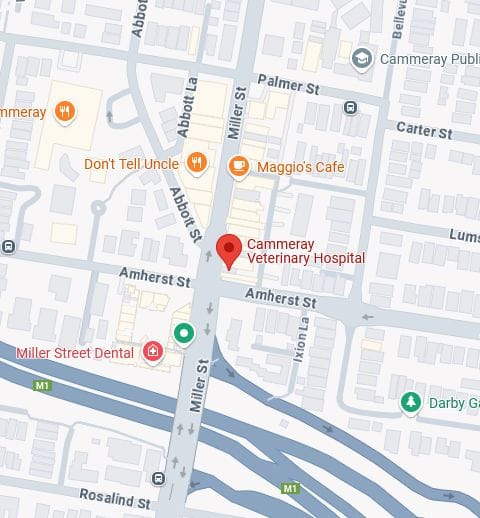
Visit Us at